All Categories
Featured
Table of Contents
4. Cooking Water The water used for cooking vegetables or potatoes focuses minerals that can be reused as liquid fertilizer. When cooled, it can simply be utilized to water the plants. This service is abundant in vitamins and minerals, reinforcing the soil instantly. It is important to prevent using water with salt or seasonings that could harm the roots.

Fruit and Vegetable Scraps Scraps like apple peels, lettuce leaves, and carrot tops can be become fertilizer through home composting. This process results in an abundant and well balanced product that can be incorporated into the soil. Besides nourishing the plants, composting considerably minimizes the amount of family organic waste, promoting a more sustainable routine.
Wood Ash Unprocessed wood ashes are abundant in potassium and calcium, perfect for reducing the effects of really acidic soils. They must be used in little amounts, combined with the soil, avoiding excessive amounts that could jeopardize nutrient balance! This type of fertilizer is particularly shown for gardens and veggie patches, promoting performance and the resilience of types.
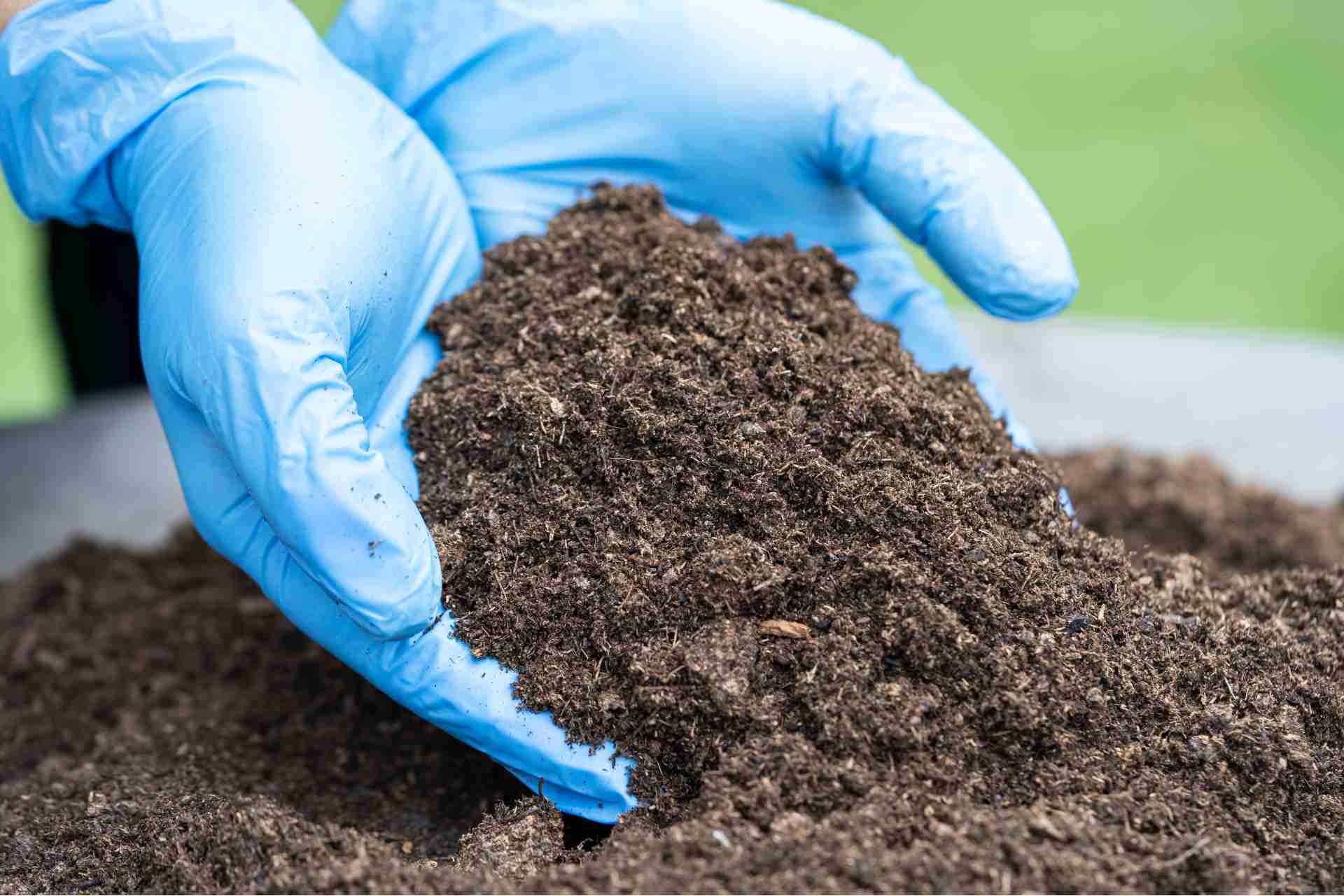
Garden Compost Tea Prepared from the fermentation of natural scraps, compost tea is an extremely healthy liquid fertilizer. It can be sprayed on leaves or used straight to the soil, functioning as a quick boost for weakened plants. It is a service that integrates the richness of composting with the functionality of liquid application, providing noticeable outcomes in a short time.
All, even the wealthiest soils can break down with intensive usage, such as growing and harvesting veggies, fruit and flowers. Keeping fertility of the soil is for that reason an exceptionally essential job. The health of the soil can be supported through making use of organic plant-based fertilizers and appropriate growing strategy. This may appear like a complicated task, but nature has mechanisms that can effortlessly regrow even the most diminished land and keep its fertility.
Essential Tips for Sustaining Holistic Turf HealthExpert Agronomic Practices for Healthier Lawns
If we comply with natural laws of cyclicity, reuse and avoidance of waste, we can support the vitality of the soil and get the harvests we want. Plants themselves, including what we class as weeds, can be outstanding fertilizers. Such fertilizers are safe, organic, vegan and typically cost much less than other options, or nothing at all.
Making plants the source of fertility, instead of deficiency, tends to be a labour-, time- and money-saving strategy. The usage of plants as fertilizers also assists to develop self-sufficiency and fix essential ethical concerns involved in farming and gardening. This was explained by Iain Tolhurst, a business small veggie grower from South Oxfordshire, UK.
No-stock ways farming or gardening where no products of animal origin are utilized. Lowering the usage of animal products is essential not just since of the problems of cruelty and exploitation of animals that pester modern commercial farming.
Scientific Turf Practices for Denser Lawns
The most essential of these is green manures. They help to guarantee that the land is never bare and for that reason there is no loss of fertility as an outcome of disintegration or cleaning out of nutrients due to rain and snow.
He likewise utilizes a seven-year rotation on his fields, where green manures inhabit two entire years of rotation. Tolhurst started farming over thirty years earlier on land that was so bad and stony that it was thought about inappropriate for farming usage. With his technique, astonishingly, he has had the ability to run an effective industrial farm.
This contrasts with industrial farming where the deficiency of land is a major seasonal problem. Plants can be used in 4 ways to preserve the fertility of the soil, to improve its structure, to detoxify it and to reduce the risk of disease and disintegration: As green manure when plants are grown and then integrated into the soil.
As a liquid fertilizer when plants are fermented to release nutrients and used to water crops. Field planted with green manure phacelia (purple). They are integrated into the soil before a new crop is planted.

Latest Posts
Enhancing Your Social Life With An Amsterdam Romance Advisor
What You Pay For When You Hire An Amsterdam Dating Consultant
What You Need To Know Before Employing An Amsterdam Pickup Coach